Introduction
A credit score is one of the most important numbers in your financial life. It plays a major role in determining whether you can get approved for loans, credit cards, mortgages, and even rental applications. Lenders use your credit score to evaluate how likely you are to repay borrowed money. Understanding how credit scores work and how to improve them can help you access better financial opportunities and save money over time.
What Is a Credit Score?
A credit score is a numerical representation of your creditworthiness. It reflects how responsibly you manage borrowed money and credit accounts.
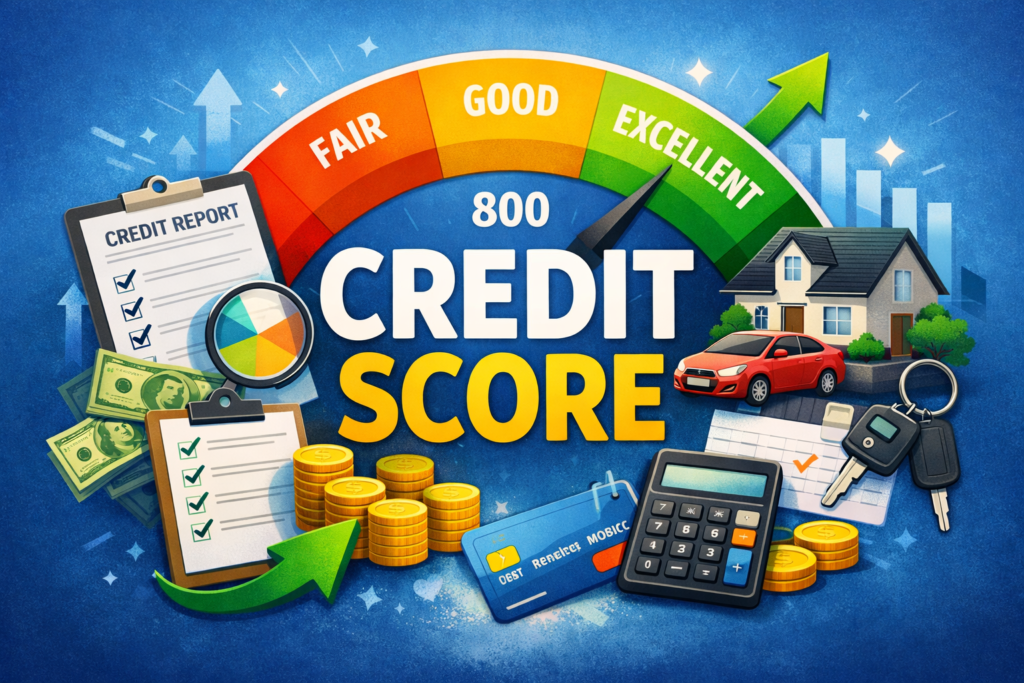
Most credit scores range from 300 to 850, and the higher your score, the better.
Typical credit score ranges:
| Score Range | Rating |
|---|---|
| 800 – 850 | Excellent |
| 740 – 799 | Very Good |
| 670 – 739 | Good |
| 580 – 669 | Fair |
| 300 – 579 | Poor |
Lenders use this score to decide:
- Whether to approve your loan or credit application
- How much credit to give you
- What interest rate to charge
A higher score usually means lower interest rates and better financial terms.
Why Credit Scores Matter
Your credit score can affect several aspects of your financial life. It is not only used by banks but also by other institutions to assess risk.
A good credit score can help you:
- Qualify for mortgages and car loans
- Get approved for credit cards with better rewards
- Receive lower interest rates
- Rent apartments more easily
- Avoid large security deposits for utilities or phone plans
In contrast, a low credit score may lead to loan rejections or higher borrowing costs.
What Factors Affect Your Credit Score
Credit scores are calculated using several factors related to your borrowing and repayment history.
1. Payment History
This is the most important factor. It shows whether you pay your bills on time.
Late payments, missed payments, or collections can significantly lower your score.
2. Credit Utilization
This refers to how much of your available credit you are currently using.
For example:
- Credit limit: $10,000
- Balance used: $3,000
Your utilization rate is 30%.
Financial experts usually recommend keeping this below 30%.
3. Length of Credit History
The longer you have had credit accounts, the better it is for your score. Lenders prefer borrowers with a longer and stable credit history.
4. Types of Credit
Having a mix of credit accounts can help your score, such as:
- Credit cards
- Car loans
- Mortgages
- Personal loans
This shows lenders you can manage different forms of credit responsibly.
5. New Credit Inquiries
Applying for many loans or credit cards within a short period may lower your score temporarily because it suggests higher borrowing risk.
How to Improve Your Credit Score
Improving your credit score takes time, but the following strategies can help.
Pay Bills on Time
Always pay at least the minimum payment by the due date. Even one missed payment can negatively affect your score.
Reduce Credit Card Balances
Try to lower your credit utilization ratio by paying down existing balances.
Avoid Opening Too Many Accounts
Limit new credit applications unless necessary.
Keep Old Accounts Open
Closing older accounts may reduce your credit history length, which can lower your score.
Check Your Credit Report
Review your credit report regularly for errors or fraudulent accounts and dispute any inaccuracies you find.
Common Credit Score Myths
Many people misunderstand how credit scores work. Here are a few common myths.
Myth: Checking your credit score lowers it.
Reality: Checking your own score is considered a soft inquiry and does not affect it.
Myth: You must carry a balance on your credit card.
Reality: You can pay off your balance every month and still build a strong credit score.
Myth: Income affects your credit score.
Reality: Your income is not included in credit score calculations.
Tips for Maintaining a Healthy Credit Score
Once you build a good score, maintaining it is just as important.
- Set up automatic payments
- Keep credit utilization low
- Monitor your credit regularly
- Avoid unnecessary debt
- Maintain long-term accounts
Consistency and responsible financial behavior are key to maintaining strong credit health.
Conclusion
Your credit score is a powerful financial tool that can influence many areas of your life. By understanding how credit scores work and practicing good financial habits—such as paying bills on time, keeping credit balances low, and monitoring your credit report—you can steadily improve your score. Over time, a strong credit score can open doors to better financial opportunities, lower interest rates, and greater financial freedom.